
Working area
Provide the site layout, required illuminance, obstructions and glare-sensitive neighbouring areas.
CONSTRUCTION SITES
Temporary works combine changing lighting, surveillance and electrical needs. Start with the work schedule, working area and available infrastructure.
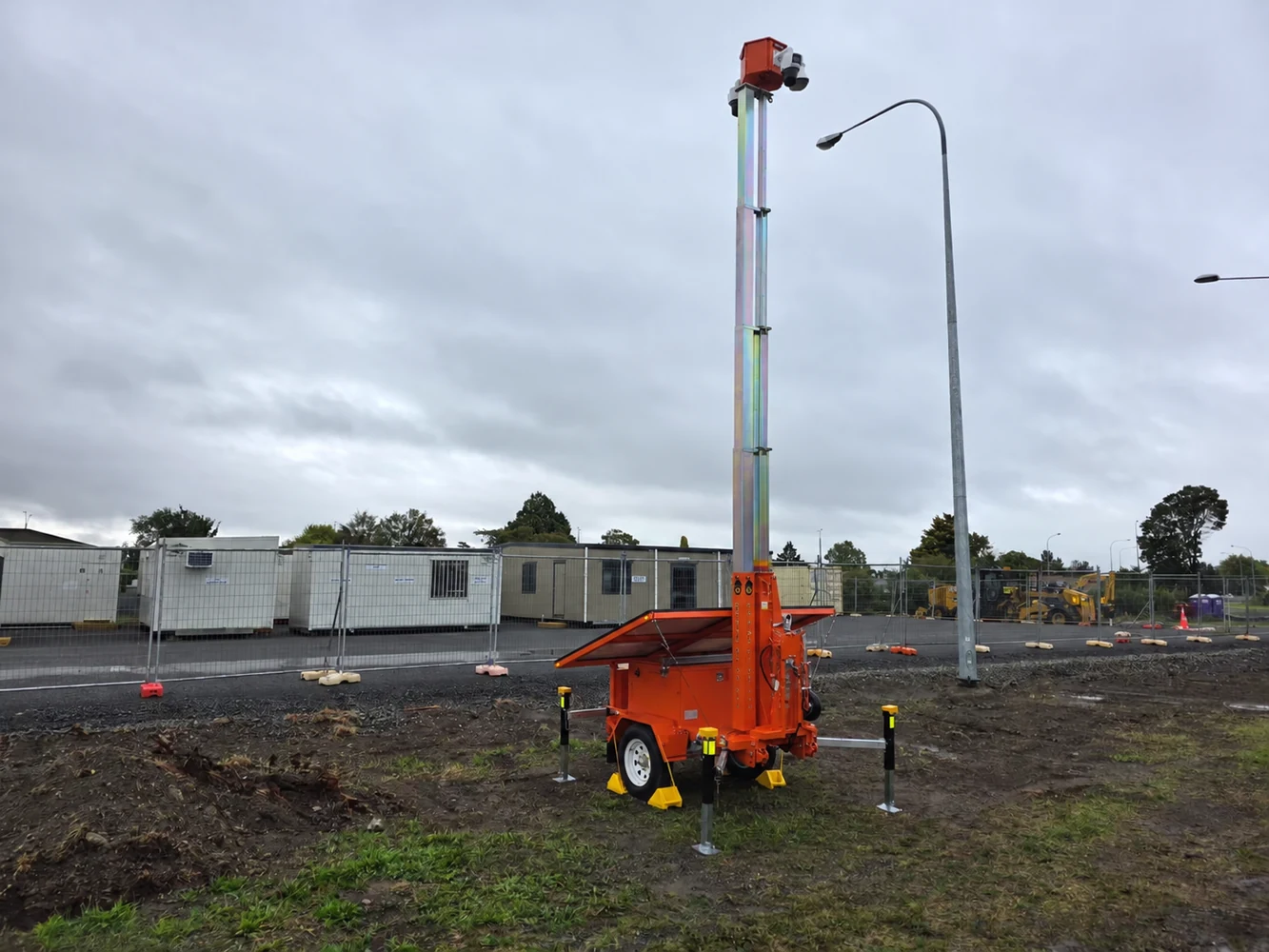
Construction areas change as work progresses. Lighting must follow the working area, while temporary surveillance needs a clear view of access points and stored equipment. Mobile formats support relocation when handling and ground conditions are suitable.
Provide the site layout, required illuminance, obstructions and glare-sensitive neighbouring areas.
Specify nightly lighting hours, camera load, reserve days and seasonal sunlight.
Confirm towing routes, ground support, stabiliser clearance and lifting equipment.
Compare solar lighting where sunlight and storage support the planned duty, diesel lighting where a fuel-based generating system is appropriate, and surveillance platforms for the security requirement. These are separate equipment functions; confirm each selected configuration.
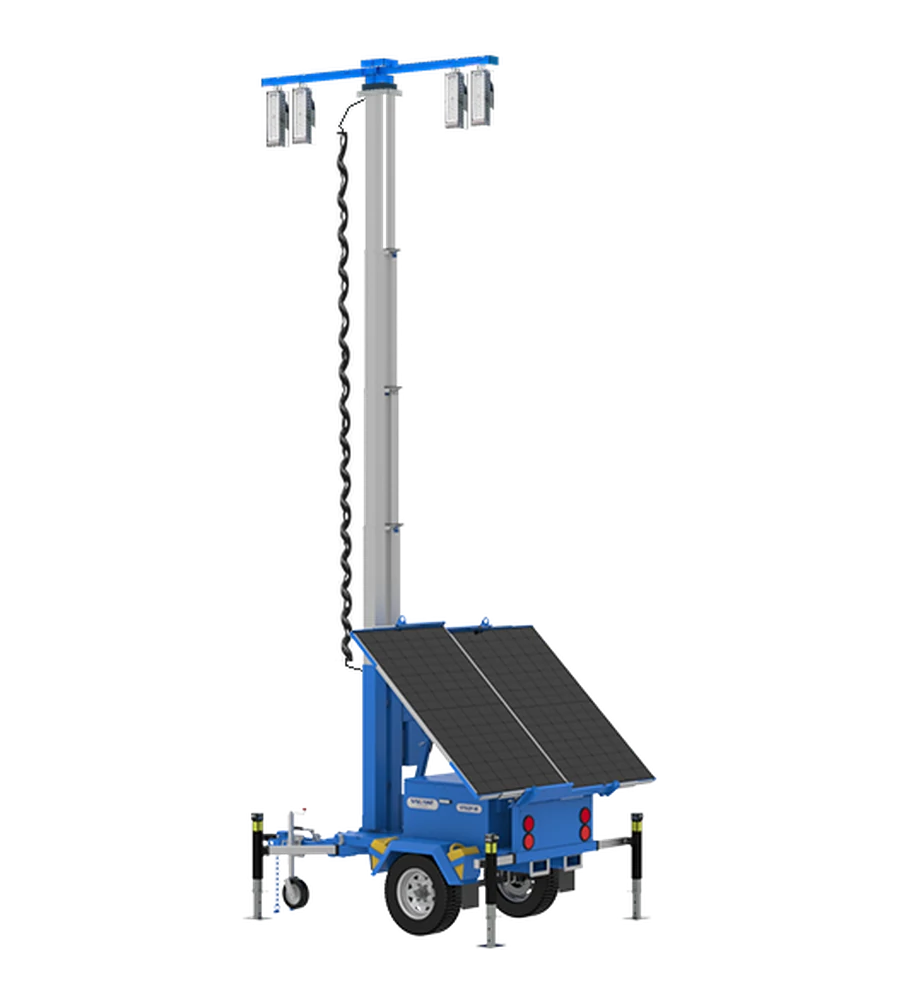
Mobile lighting
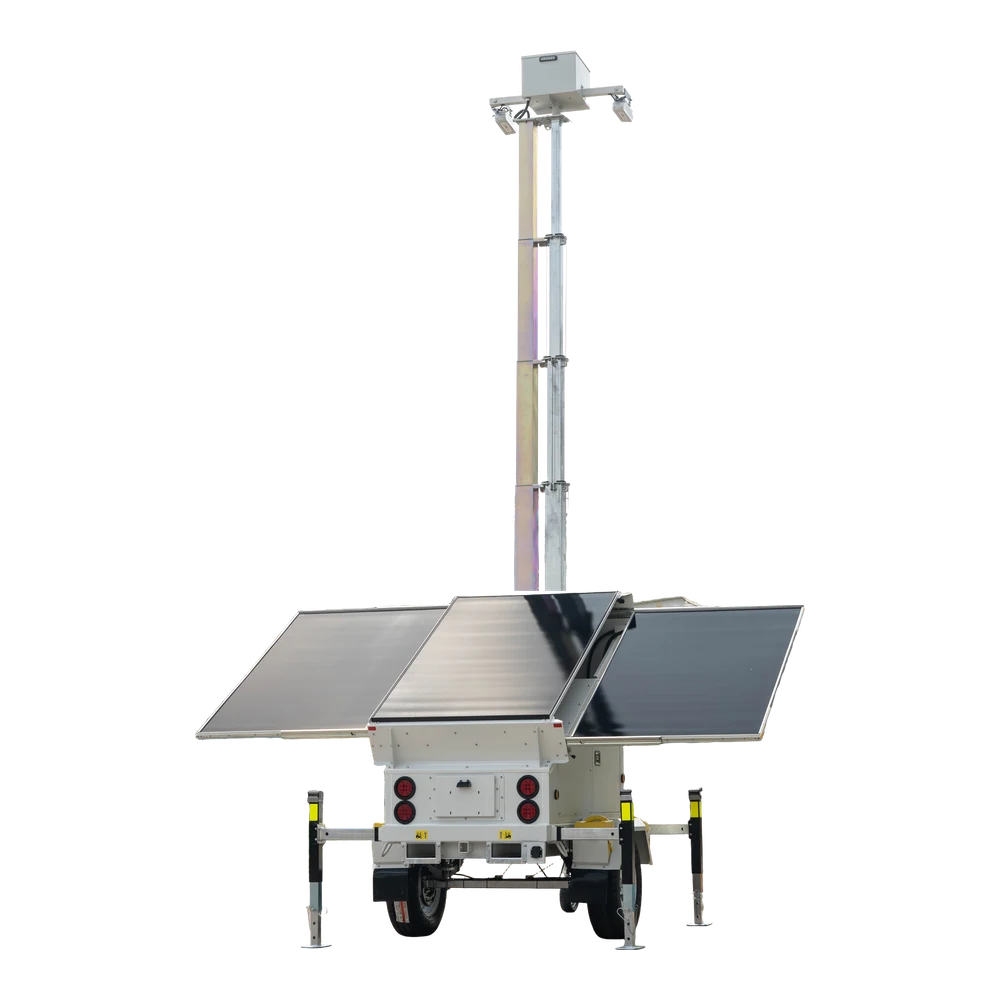
Mobile lighting
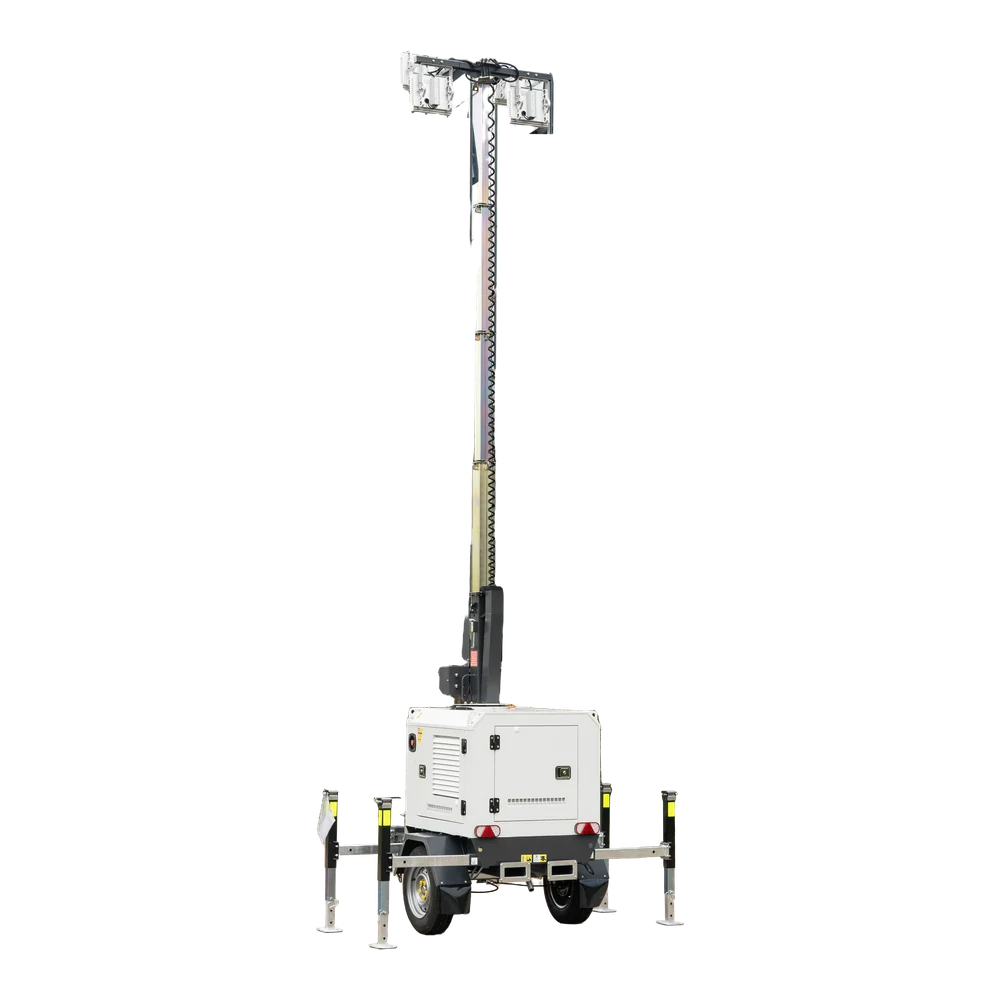
Mobile lighting
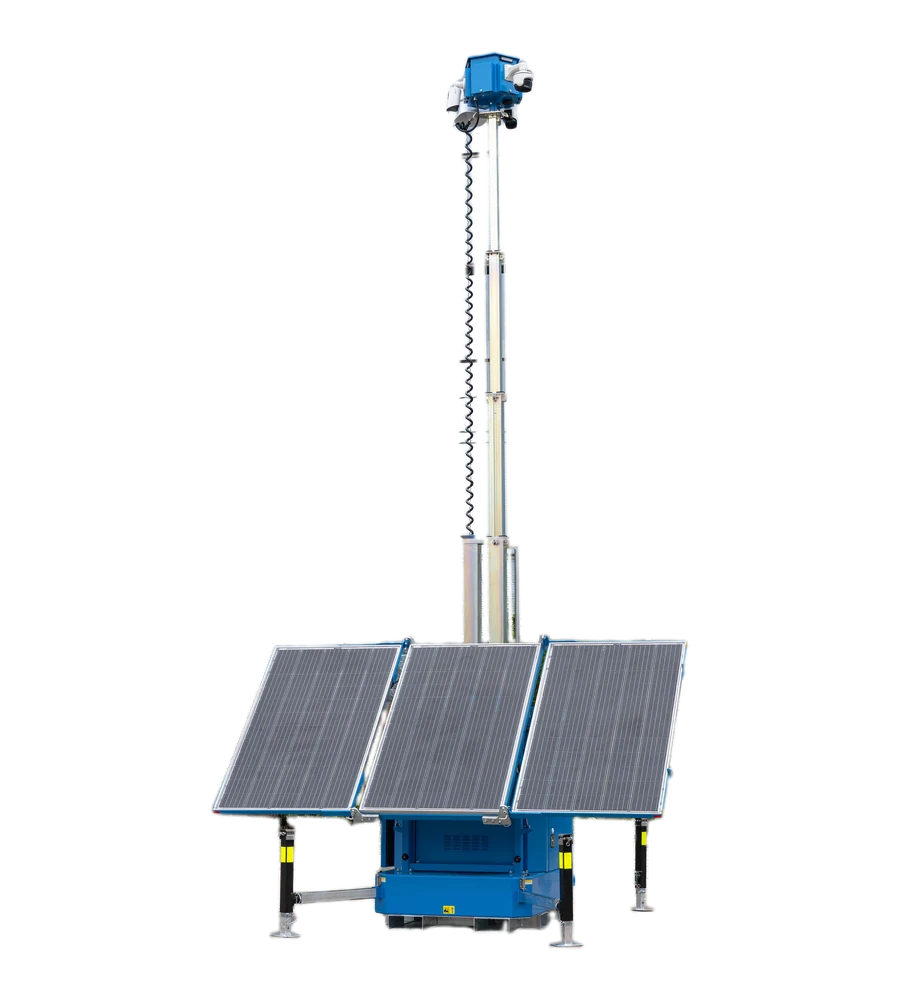
Mobile surveillance
A photograph does not establish illumination coverage. Use model-specific photometric data or a site test. Solar autonomy requires local sunlight and load calculations; diesel runtime requires tank and fuel-consumption data.
Verified customer case materials and measured project results are not supplied. These photographs illustrate equipment and operating context.
No. Lighting, security and temporary power have different load and placement requirements. Select the models and configuration for the intended duty.
Compare operating hours, available sunlight, storage, engine requirements, handling and destination regulations. Confirm the final technical data for each model.
START WITH THE REQUIREMENTS
Share the application, project location, loads and operating conditions. Discuss configuration and purchasing details with the team.
LET’S TALK ABOUT YOUR SITE